

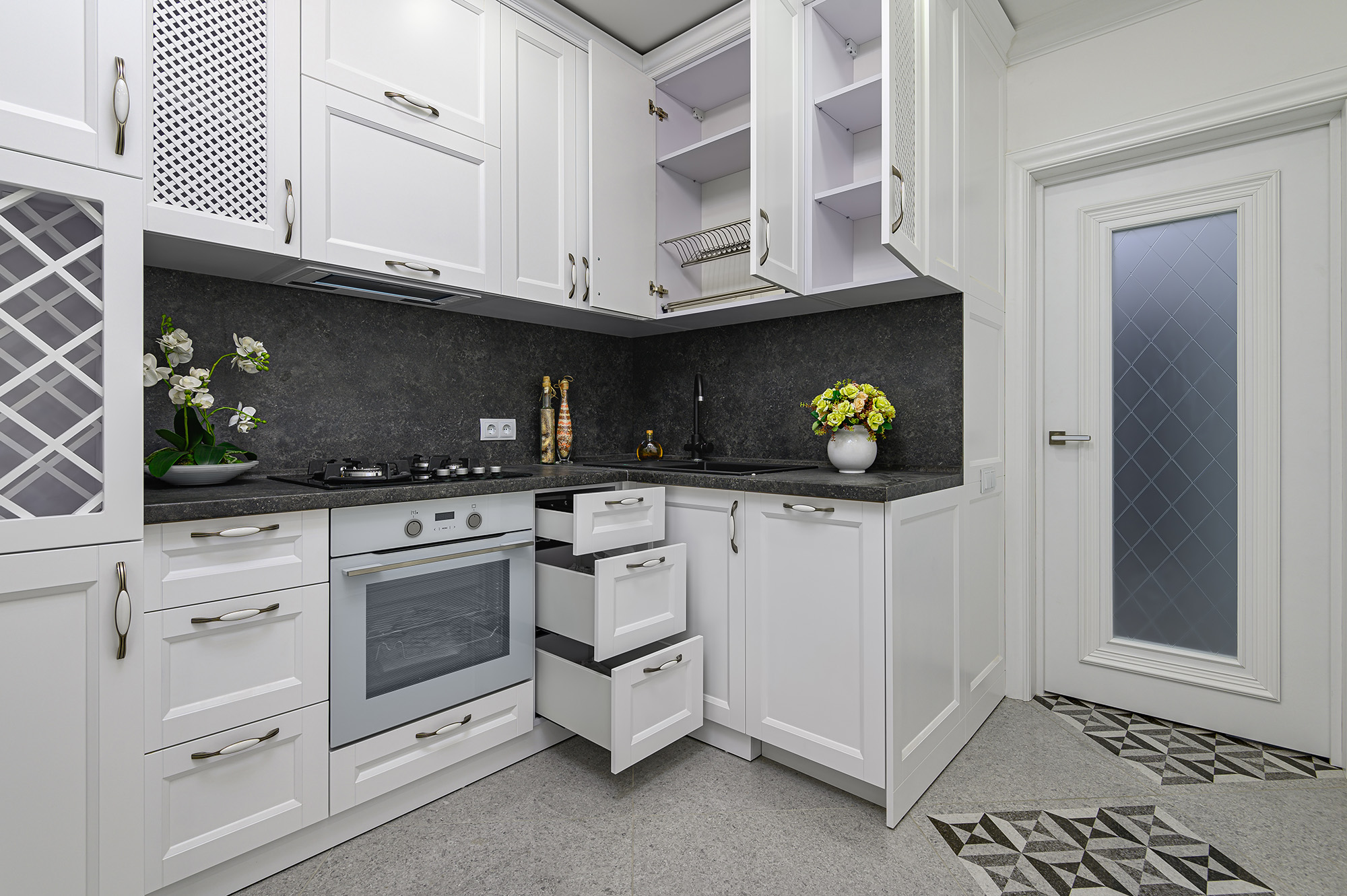
When choosing new kitchen cabinets, you may spend plenty of time comparing colors, finishes, and door styles. However, there is another important decision worth considering before finalizing your selection: cabinet construction. Framed and frameless cabinets are two popular construction styles, and understanding how they differ can help you choose cabinetry that suits your kitchen design and everyday needs.
If you are exploring cabinet options from Drexel Interiors, understanding these construction methods can help you narrow down your choices. You can also explore kitchen remodeling services when planning how your new cabinetry will fit into your overall project.
What Are Framed Cabinets?
Framed cabinets feature a solid frame attached to the front edges of the cabinet box. This frame creates a visible border around the cabinet opening and provides a structure where the doors and hinges can be attached.
One reason you might prefer framed cabinetry is its traditional construction and appearance. The visible frame can complement classic, transitional, and many contemporary kitchen designs, depending on the door style and finish you select.
Framed cabinets also offer different door configurations. You can choose options that sit within the frame or overlap it, giving you flexibility when deciding how you want your finished cabinetry to look.
Understanding Frameless Cabinets
Frameless cabinets, sometimes called European style cabinets, do not have a separate front frame. Instead, the cabinet doors attach directly to the sides of the cabinet box.
This construction creates a more streamlined appearance because there is no visible frame surrounding each cabinet opening. If you prefer clean lines and a contemporary kitchen, frameless cabinetry may appeal to you.
Another characteristic is the wider cabinet opening. Without a front frame, you may have easier access to the cabinet interior, depending on the cabinet dimensions and hardware selected.
Compare the Differences Before Choosing
Although both styles can work well in a kitchen, their construction creates some noticeable differences. Framed cabinets offer a traditional framework that can influence the overall appearance of your cabinetry. Frameless cabinets provide a more minimal look with unobstructed cabinet openings.
Your decision should also consider the type of doors, hinges, finishes, and interior storage features available with your chosen cabinet line. Rather than assuming one construction style is automatically better, compare the actual products and specifications to understand what each option offers.
Which Cabinet Style Works With Your Kitchen?
If you are planning a traditional or transitional kitchen, framed cabinets may complement the design direction you have in mind. Their construction can work particularly well with more detailed door profiles and classic finishes.
If you prefer a contemporary aesthetic, frameless cabinets can help create a consistent, streamlined appearance. They can also complement flat panel doors, minimalist hardware, and modern finishes.
However, your preferred style is only one consideration. Think about your available space, storage requirements, budget, and the cabinet products that fit your project. Seeing samples and discussing construction details can help you make a more confident decision.
Find the Right Cabinetry for Your Remodeling Project
Choosing between framed and frameless cabinets is an important part of planning your kitchen. Once you understand their construction and how each style influences the finished appearance, you can focus on finding cabinetry that complements your home.
Whether you are updating your kitchen in Indianapolis or planning a remodeling project in Carmel, Drexel Interiors can help you explore cabinetry and design possibilities. Visit Drexel Interiors to take the next step toward creating a kitchen that reflects your preferences and practical needs.


